
Phone
Working hours
Floor repair and maintenance service is a comprehensive solution designed to restore, protect, and extend the life of flooring surfaces. Over time, floors experience wear and tear due to daily use, environmental conditions, and heavy loads. This service focuses on fixing damages such as cracks, chips, stains, and uneven surfaces while ensuring the floor remains functional and visually appealing.
It applies to a wide range of flooring types, including concrete, tile, wood, vinyl, and epoxy surfaces. Regular maintenance combined with timely repairs helps preserve the structural integrity of floors and prevents costly replacements.
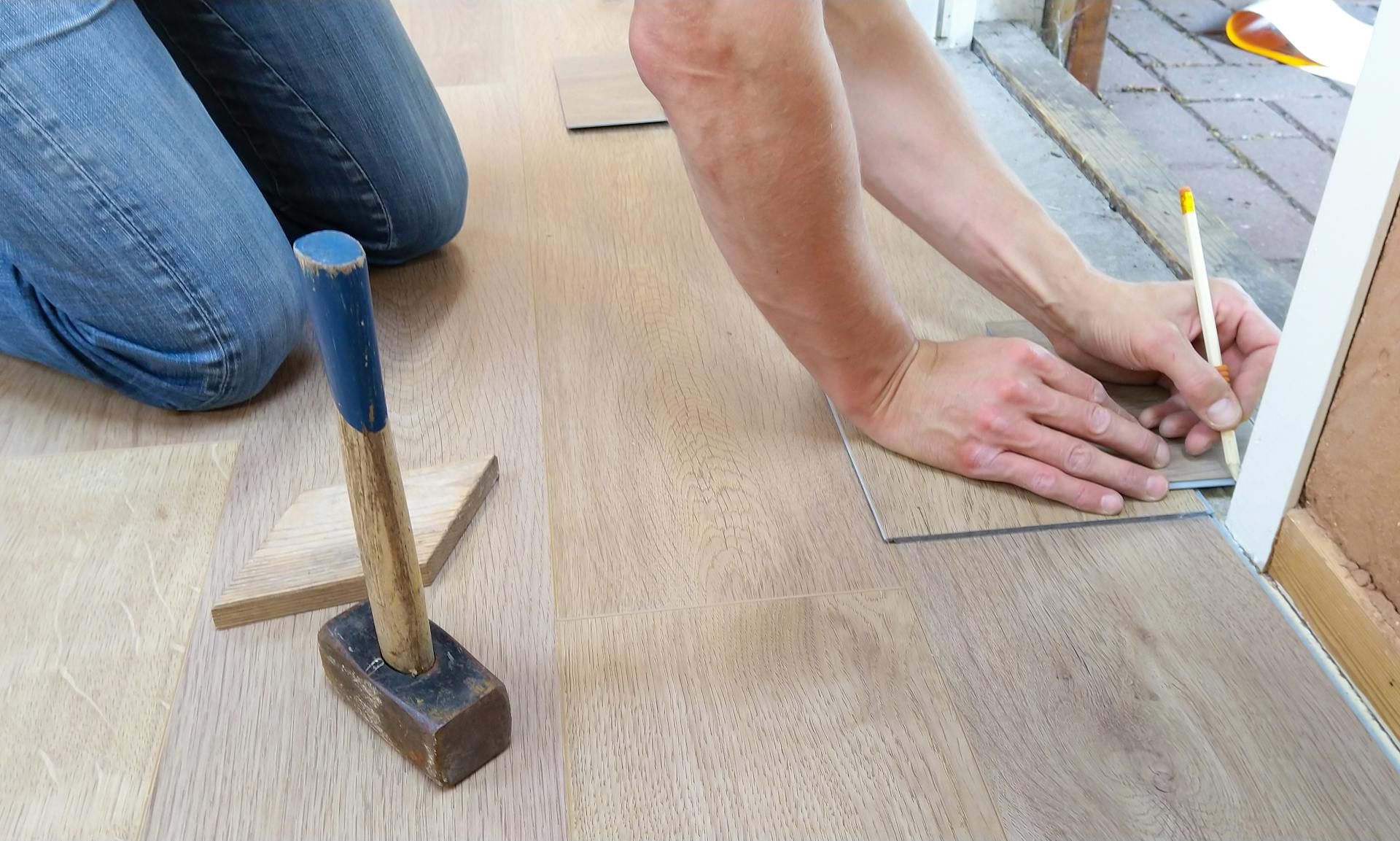
Regular repair and maintenance significantly increase the lifespan of flooring. Addressing minor issues early prevents them from developing into major problems that require expensive solutions.
Damaged floors can create hazards such as slips, trips, and falls. Repairing cracks, uneven surfaces, and loose materials ensures a safer environment for occupants.
Floors play a major role in the overall appearance of a space. Proper maintenance keeps them clean, polished, and visually attractive, enhancing the value of the property.
Ignoring floor issues can lead to deeper structural problems. Moisture infiltration, cracks, and weak spots can compromise the foundation if not addressed promptly.
Cracks are one of the most common issues, especially in concrete floors. They can occur due to temperature changes, heavy loads, or foundation movement.
Floors may become uneven over time due to settling, wear, or improper installation. This affects both functionality and appearance.
Spills, chemicals, and dirt can cause stains that are difficult to remove. Discoloration can make floors look old and poorly maintained.
Water exposure can weaken flooring materials, leading to warping, swelling, or mold growth. Moisture-related issues require immediate attention.
Protective coatings and finishes can wear off with time, leaving the floor vulnerable to damage and reducing its visual appeal.
Cracks are repaired using specialized fillers or sealants that restore the surface and prevent further damage. This technique is commonly used for concrete and tiled floors.
Grinding removes uneven areas and smooths the surface. It is often combined with leveling compounds to achieve a flat and even floor.
Damaged or broken tiles are replaced to restore the floor’s appearance and functionality. Matching materials ensure a seamless look.
Wood floors can be sanded and refinished to remove scratches and restore their original shine. This process also strengthens the surface.
Applying protective coatings or sealants enhances durability and resistance to moisture, stains, and wear. This step is essential for long-term maintenance.
Routine cleaning is essential to maintain the condition of floors. Sweeping, vacuuming, and mopping help remove dirt and prevent surface damage.
Periodic inspections help identify early signs of wear or damage. Timely intervention prevents minor issues from becoming major problems.
Using mats, rugs, and protective pads under furniture reduces wear and prevents scratches. These measures help preserve the floor’s surface.
Maintaining proper humidity levels and addressing water leaks prevents moisture-related damage. This is especially important for wood and concrete floors.
Professional services ensure accurate diagnosis and effective solutions. Skilled technicians use advanced tools and techniques to deliver high-quality results.
Regular maintenance reduces the need for major repairs or replacements. Investing in professional services helps save money in the long run.
Proper repair and maintenance enhance the strength and resilience of floors. This ensures they can withstand daily use and heavy traffic.
Well-maintained floors contribute to the overall value of a property. They create a positive impression and attract potential buyers or tenants.
In homes, this service is used to maintain living rooms, kitchens, bedrooms, and bathrooms. It ensures comfort, safety, and visual appeal.
Offices, retail stores, and restaurants require regular maintenance to handle high foot traffic. Well-maintained floors create a professional environment.
Factories and warehouses rely on durable floors for efficient operations. Repair and maintenance ensure safety and minimize downtime.
Schools, hospitals, and public spaces benefit from clean and well-maintained floors. This promotes hygiene and safety for large numbers of people.
Some floor issues are symptoms of deeper structural problems. Identifying and addressing the root cause is essential for effective repair.
Different flooring materials require specific repair methods. Choosing the right approach ensures long-lasting results.
Repair and maintenance work can disrupt daily activities. Proper planning helps minimize inconvenience.
Temperature, humidity, and usage conditions can affect the performance of repairs. These factors must be considered during the process.
Implementing a regular maintenance schedule helps keep floors in optimal condition. This includes cleaning, inspections, and minor repairs.
High-quality materials and coatings improve durability and reduce the frequency of repairs.
Educating occupants or staff about proper floor care can prevent unnecessary damage and extend the life of the flooring.
