
Phone
Working hours
Vinyl flooring installation is a professional service that involves fitting synthetic flooring materials made primarily from polyvinyl chloride (PVC) onto a prepared surface. Known for its durability, affordability, and versatility, vinyl flooring has become a popular choice for residential, commercial, and industrial spaces. The installation process ensures that the flooring is properly aligned, securely fixed, and visually appealing.
Vinyl flooring comes in various forms, including sheets, tiles, and planks, each offering different aesthetic and functional benefits. Proper installation is essential to achieve a smooth finish, prevent damage, and ensure long-term performance.
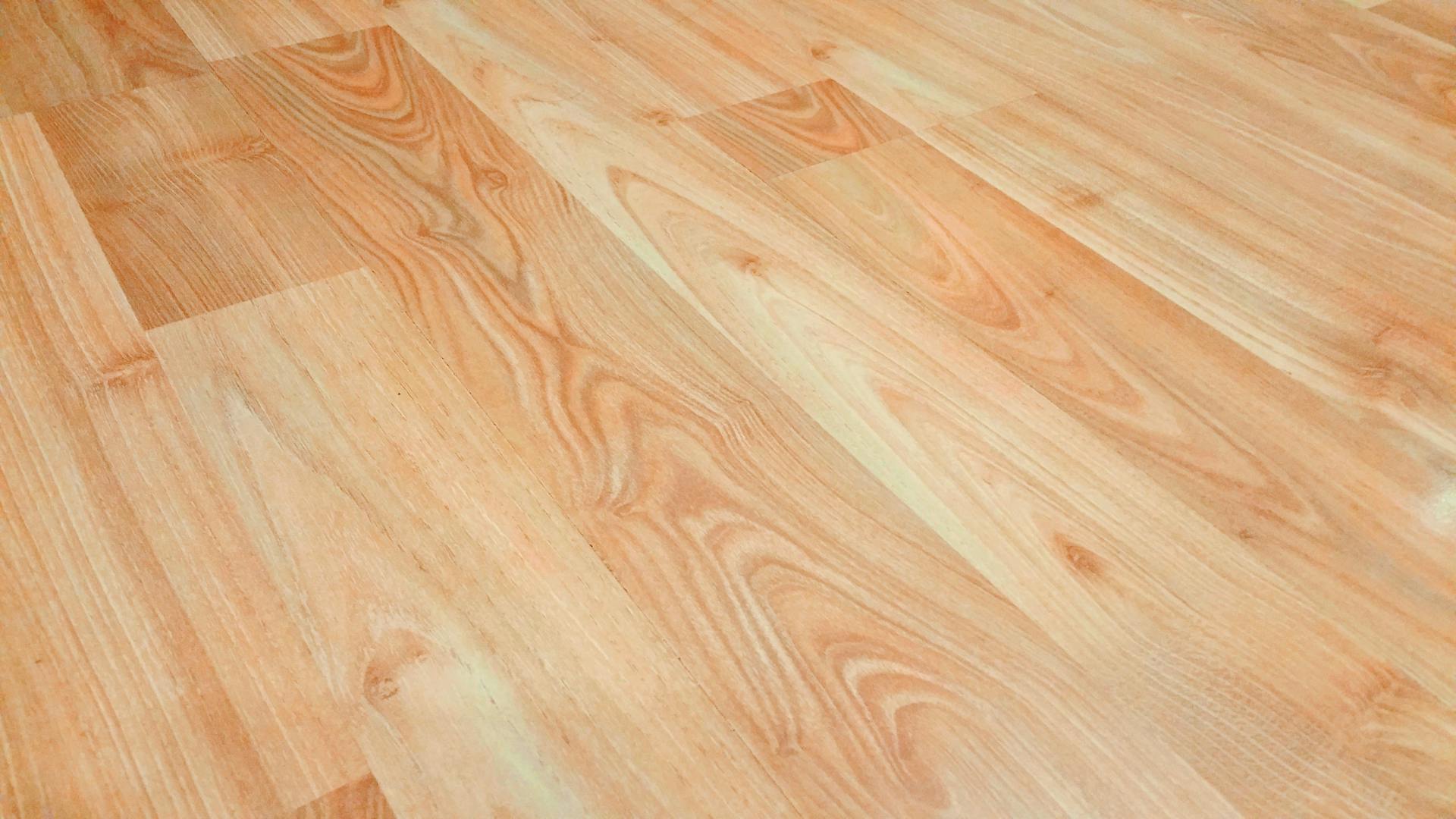
Vinyl sheet flooring is available in large, continuous rolls. It provides a seamless surface that is highly resistant to moisture, making it ideal for bathrooms, kitchens, and healthcare facilities.
Vinyl tiles are square pieces that mimic the appearance of natural materials such as stone or ceramic. They are easy to replace individually, which makes maintenance more convenient.
Luxury vinyl planks are designed to replicate the look of hardwood flooring. They offer a realistic wood texture while providing better resistance to moisture and wear.
Luxury vinyl tiles resemble natural stone or ceramic tiles. They combine durability with high-end aesthetics, making them suitable for both residential and commercial interiors.
Correct installation plays a crucial role in the lifespan of vinyl flooring. A properly installed floor can last for many years without issues such as peeling, lifting, or cracking.
Professional installation ensures that the flooring looks neat and uniform. Proper alignment and finishing create a visually appealing surface.
Improper installation can lead to gaps, bubbles, and uneven surfaces. These issues not only affect appearance but also reduce durability.
A well-installed vinyl floor provides a comfortable and stable surface for walking. It also helps reduce noise and enhances the overall feel of the space.
The first step in installation is preparing the subfloor. The surface must be clean, dry, and level. Any cracks, holes, or uneven areas are repaired to ensure a smooth base.
Accurate measurements are taken to determine the amount of material required. Planning the layout helps minimize waste and ensures a balanced appearance.
Vinyl materials are cut according to the dimensions of the space. Precision is important to achieve a perfect fit, especially around edges and corners.
Depending on the type of vinyl flooring, adhesive may be applied to secure the material. Some modern options use click-lock systems that do not require glue.
Edges are sealed, and finishing touches are applied to ensure a polished look. This step also enhances durability and resistance to moisture.
Vinyl flooring is designed to withstand heavy foot traffic and daily wear. It resists scratches, dents, and stains, making it suitable for busy environments.
One of the key advantages of vinyl flooring is its resistance to water. This makes it an excellent choice for areas prone to moisture.
Vinyl floors are easy to clean and maintain. Regular sweeping and mopping are usually sufficient to keep them in good condition.
Compared to natural materials like wood or stone, vinyl flooring is more affordable. It offers a similar appearance at a lower cost.
Vinyl flooring is available in a wide range of colors, patterns, and textures. This allows homeowners and businesses to choose designs that match their style.
Vinyl flooring is widely used in homes, including living rooms, bedrooms, kitchens, and bathrooms. Its comfort and aesthetic appeal make it a popular choice.
Offices, retail stores, and restaurants benefit from vinyl flooring due to its durability and professional appearance.
Hospitals and clinics prefer vinyl flooring for its hygienic properties and ease of cleaning.
Schools and universities use vinyl flooring for its resilience and low maintenance requirements.
A poorly prepared subfloor can affect the quality of installation. Ensuring a smooth and level surface is essential for success.
Excess moisture can cause vinyl flooring to lift or warp. Proper moisture control is necessary during installation.
Accurate cutting and fitting are crucial for a seamless finish. Mistakes can lead to visible gaps and uneven edges.
Vinyl materials can expand or contract with temperature changes. Proper installation techniques account for these variations.
Sweeping or vacuuming removes dirt and debris. Mopping with a mild cleaner helps maintain the floor’s appearance.
Using gentle cleaning products prevents damage to the surface and preserves its finish.
Furniture pads and protective measures help prevent scratches and dents.
Checking for signs of wear or damage allows for timely repairs and prolongs the life of the flooring.
Professionals understand the best techniques for different types of vinyl flooring. Their expertise ensures high-quality results.
Professional installation saves time and minimizes disruptions. The process is completed efficiently and effectively.
Hiring experts ensures that the flooring is installed correctly, reducing the risk of future problems.
Proper installation enhances the durability and performance of vinyl flooring, providing long-lasting benefits.
Many vinyl flooring products are designed with sustainability in mind. They use recycled materials and eco-friendly manufacturing processes.
The insulating properties of vinyl flooring can help maintain indoor temperatures, contributing to energy efficiency.
